
(833) 246-3900
sales@masonrydirect.com
sales@masonrydirect.com
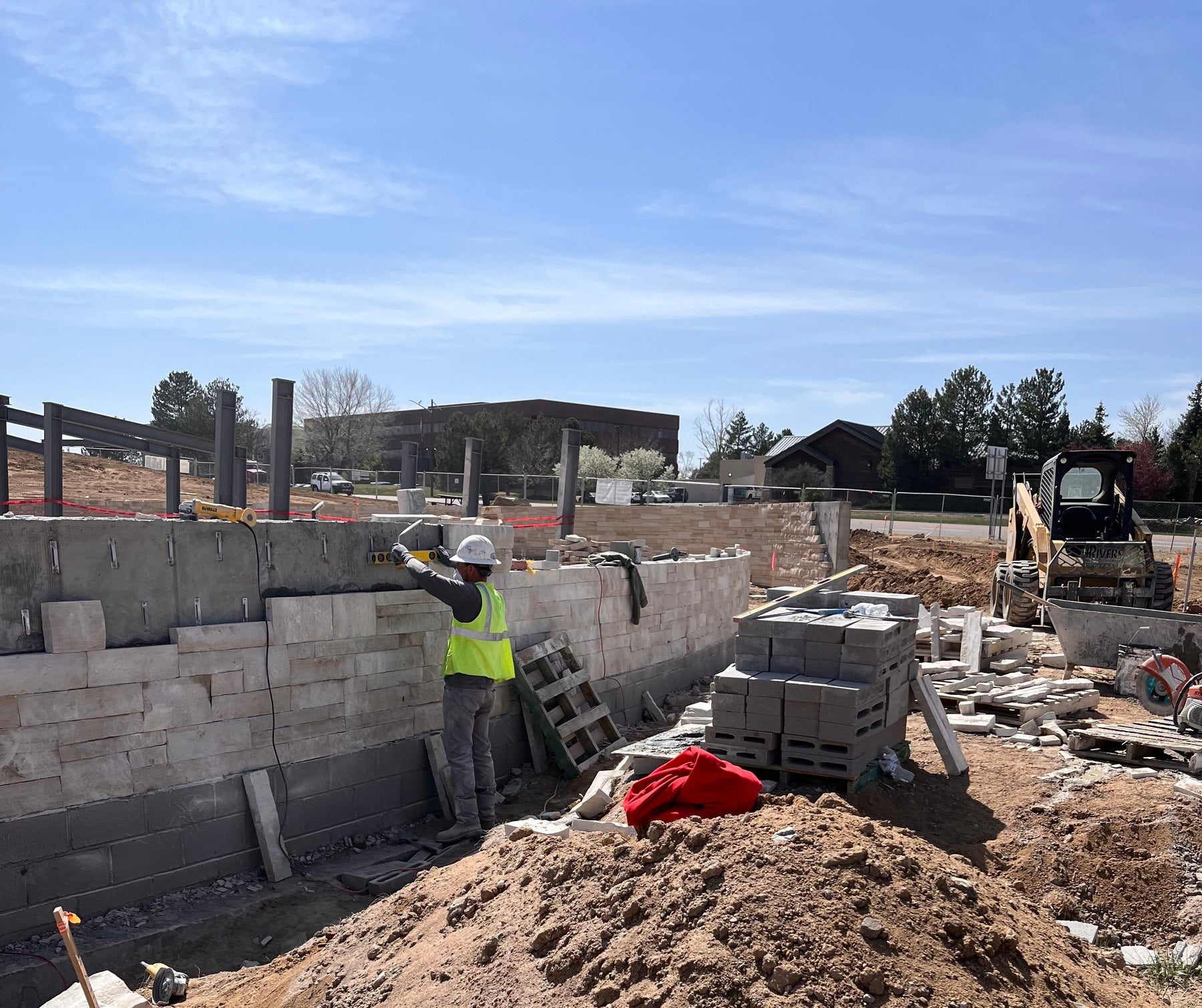
When it comes to anchoring masonry veneers, choosing the right material finish is just as important as choosing the right anchor. The two most common finishes in the industry—Stainless Steel and Hot-Dip Galvanized (HDG)—offer different levels of corrosion resistance, cost, and performance.
In this post, we break down the differences between stainless steel and hot-dip galvanized finishes so you can make the right call for your next project.
Hot-dip galvanizing is a process where steel is dipped into molten zinc, creating a thick, corrosion-resistant coating. It's widely used in construction for its affordability and decent protection against rust in most above-grade conditions.
Advantages
Cost-effective – significantly cheaper than stainless steel
Decent corrosion protection – ideal for many inland or mild climate applications
Widely available – used for a wide range of masonry anchors and ties
Limitations
Zinc coating wears off over time, especially in coastal, industrial, or highly humid environments
Not suitable for below-grade or marine environments
Not compatible with dissimilar metals like stainless steel (can lead to galvanic corrosion)
Best For:
General commercial construction
Above-grade, dry environments
Projects with tight budgets where long-term corrosion isn't a major concern
Stainless steel contains chromium, which forms a self-healing oxide layer that resists rust. It’s the premium choice for long-term durability in harsh environments and is increasingly required by code in high-performance or coastal applications.
Advantages
Exceptional corrosion resistance – ideal for coastal, industrial, and humid environments
Long-term durability – won’t flake, chip, or rust over time
Compatible with other stainless components – prevents galvanic reactions
Required by building codes in many coastal/seismic zones
Limitations
Higher upfront cost
Can be overkill in dry or interior applications
Must ensure full system compatibility (e.g., not mixing with galvanized components)
Best For:
Coastal or marine environments
High-humidity or freeze-thaw climates
Projects where long-term structural performance is critical
Government, institutional, or LEED-certified jobs
| Factor | Stainless Steel | Hot-Dip Galvanized |
|---|---|---|
| Corrosion Resistance | Excellent – long-term durability | Good – moderate protection |
| Cost | Higher | Lower |
| Environment Suitability | Harsh, humid, coastal, industrial | Dry, mild, inland |
| Code Requirements | Often required in seismic/coastal zones | Meets standard requirements |
| Compatibility | Must match with other stainless items | Must match with other galvanized components |
At Masonry Direct, we always recommend evaluating the environmental exposure and project lifespan when selecting a finish. For budget-conscious, inland commercial projects, hot-dip galvanized is a solid choice. But if you're building near the coast, in high-humidity zones, or simply want maximum durability, stainless steel is the way to go.
When in doubt, it’s better to over-specify than deal with corrosion-related failures years down the line.
We offer a wide range of stainless and galvanized anchors, ties, and hardware—and we're here to help you select the right materials for your job.
👉 Browse Our Anchor Selection
👉 Contact Us for Technical Help